The Power of Shared Experience
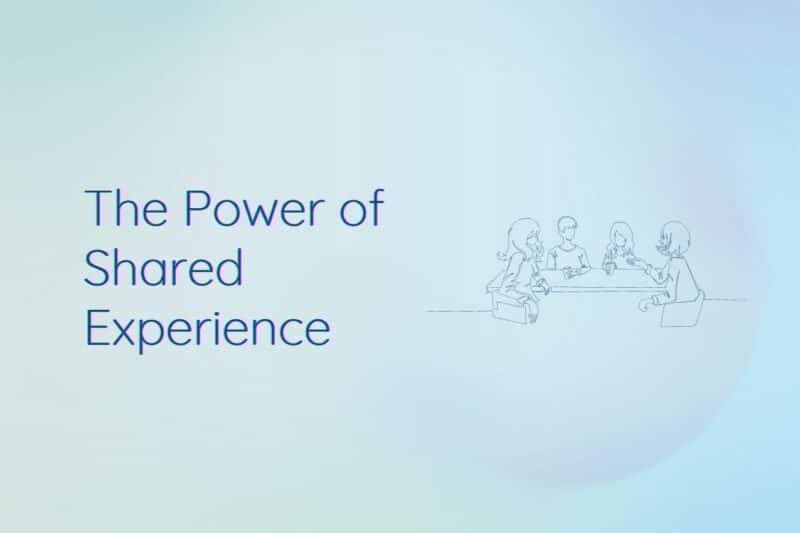
Many of us may be familiar with group therapy from movies, TV shows, or books. A similar scene usually comes to mind: people sitting in a circle, taking turns sharing their stories, other members listening quietly, and a therapist guiding the group… These scenes, which sometimes seem very intense and other times a bit dramatic, spark curiosity about group therapy while also raising some questions. Can people really speak so openly in the presence of strangers? Does therapy in a group setting actually work? Or is it just the atmosphere we see in movies?
In reality, group therapy can open up a much deeper, more structured, and powerful space for human relationships than we might imagine. Because the emotional difficulties we often face don’t just arise within ourselves, they take shape in relationships, are triggered by them, and often begin to recover within them as well. Group therapy offers a distinct experience precisely at this point. It can be a process where people don’t just listen to one another; sometimes they see themselves in others, sometimes they feel truly understood, and sometimes the sense of loneliness they’ve carried for years begins to ease.
Of course, group therapy is not merely a setting where people take turns speaking. Each group’s purpose, structure, and progression can vary. While some groups take a more supportive and sharing-focused approach, others may focus on developing specific skills, understanding trauma, or exploring interpersonal relationships. The therapist’s role isn’t just to call on people to speak; it’s to maintain the group’s safety, recognize relational dynamics, and help members gain a deeper understanding of their own processes.
In this therapy sketch, we’ll explore how group therapy actually works, in which situations it can be effective, why people need group therapy, and what kind of experience it offers beyond the scenes we see in movies.
What is group therapy?
A group can serve as a therapeutic space where people gain a deeper understanding of themselves, their emotions, and the challenges they face through the relationships they build with others (DeLucia-Waack et al. 2004).
This process is often about learning through experience rather than just acquiring information. This is because people often learn many things (sometimes without even realizing it) through the relationships they build with others and the emotional experiences they go through. For this reason, group therapy is not just about conversation; it is a process felt, shared, and experienced together (DeLucia-Waack et al. 2004; Barlow, 2012).
A significant portion of change in group therapy occurs through the relationships and interactions that develop within the group. Many dynamics (both small and large), such as how people communicate with one another, who speaks more or stays in the background, and which emotions are freely expressed or suppressed, gradually become part of the group process (DeLucia-Waack et al. 2004; Barlow, 2012).
Over time, group members may begin to behave in the group in ways similar to how they interact with others in their daily lives. The group functions much like a small social world; certain patterns people experience in their relationships may become visible within the group. The therapist helps to identify these group dynamics, create a safe environment, and interpret the emerging relationship patterns in a therapeutic way (DeLucia-Waack et al., 2004; Barlow, 2012).
The interactions and processes that emerge within a group do not typically unfold entirely by chance. Therapists often structure the group according to a specific theory, therapeutic framework, and structure. Depending on the therapeutic approach used, the group’s goals, the therapist’s interventions, and the areas of focus during the process may vary. For example,
- Cognitive-behavioral group therapies may focus more on the thought-emotion-behavior relationship, skill development, and behavioral practices
- Interpersonal group therapies may aim to understand people’s relationship patterns, feedback processes, and interactions within the group.
- Psychodynamic groups may focus more on insight, past relationship experiences, and emotional processes.
- Psychoeducational groups may focus on providing information, developing coping skills, and offering support.
For this reason, each group therapy session can offer a distinct structure and experience depending on the approach used and the group’s objectives (DeLucia-Waack et al. 2004).
Is it effective?
When evaluating the effectiveness of group therapy, it is actually quite difficult to provide a single answer that applies to everyone. This is because what people gain from the group experience, what they find helpful, and how they navigate the process can vary significantly from person to person. Research shows that what group members find beneficial can sometimes differ significantly from what the therapist or an outside observer considers important (Holmes & Kivlighan, 2000). While feeling understood may be the most transformative experience for one person, for another, a sense of belonging, receiving feedback, or realizing they are not alone might be more effective.
Even within the same group, everyone may experience the process differently. The relationship with the therapist, the connection felt with group members, the depth of the sessions, the individual’s readiness for therapy, their attachment style, the challenges they face, their age group, or the group’s structure are all factors that can shape the therapeutic experience. For this reason, group therapy cannot be evaluated solely based on a single question like “Does it work or not?” Instead, it is considered in terms of how it creates space for the diverse needs of different people and how it fosters change through relational experiences.
Nevertheless, the effectiveness of group therapy cannot be assessed solely through personal experience. Research also shows that certain common factors within the group process play a significant role in therapeutic change. In particular, studies examining the relationship between specific experiences within the therapeutic process and positive therapeutic outcomes reveal that certain elements can have a meaningful impact on group members (Yalom & Leszcz, 2020).
Installation of Hope
In group therapy, seeing other members who are struggling with similar challenges and showing signs of improvement over time can help people develop hope that change is possible. Sometimes, simply hearing someone else say, “I felt that way too,” or seeing them make progress can strengthen a person’s trust in therapy and their engagement (Yalom & Leszcz, 2020)
Universality
Many people come to therapy feeling that their thoughts, emotions, or struggles are unique to them and “abnormal.” Group therapy, however, can help reduce feelings of loneliness, shame, and isolation by showing people that others share similar experiences. At the same time, group therapy can create a space where people from very different cultural backgrounds can come together through shared human experiences. Although people’s stories, identities, and living conditions may differ, many emotions, such as exclusion, loneliness, the desire for acceptance, loss, and the need to be understood, can intersect on a transcultural level (Yalom & Leszcz, 2020).
Imparting Information
Group therapy is not only a space for emotional sharing but can also be a process through which people learn to better understand their relationships, emotions, and psychological processes. While this learning unfolds naturally through interactions in some groups, in other therapy groups, psychoeducation and skill-building may also be more structured parts of the process. The learning process that takes place in a group setting is also quite important. This is because people often learn not only by acquiring information but also through the relationships and interactions they build with others. In group therapy, this process typically progresses through collaboration, sharing, and joint discovery rather than through a hierarchical or didactic structure (Yalom & Leszcz, 2020).
Altruism
Group therapy offers not only the opportunity to receive support but also the chance to support others. Many people find that when they realize their own experiences have helped someone else within the group, they feel more valued, capable, and meaningful. Sometimes, understanding, supporting, or reassuring someone that they are not alone can also strengthen a person’s own journey toward well-being (Yalom & Leszcz, 2020).
Corrective Experience
Group therapy can resemble a family environment in many ways. In the relationships they form with therapists or other members, group members may sometimes re-experience the emotions and relationship patterns they once experienced within their families. For example, feelings such as exclusion, competition, the need for approval, feeling unseen, or expecting attention may resurface within the group. However, what makes group therapy therapeutic is not only the re-experiencing of these past experiences, but the opportunity to work through them anew within a safer, more mindful, and different relational context. Over time, individuals may begin to recognize their own relationship patterns and experience the possibility of forming different kinds of connections (Yalom & Leszcz, 2020).
Space for Building Social Skills
Group therapy can actually be a space where people not only share their feelings but also develop their relationship-building and communication skills. At the same time, the group setting can help people experiment with new forms of communication, receive feedback, and gain different experiences in interpersonal relationships within a safer social environment.
Imitate Behavior
In group therapy, people can learn not only from their own experiences but also by observing other members and the therapist. The therapist’s style of open communication, supportive approach, or compassionate feedback can shape the communication style within the group; at the same time, members can develop new perspectives by observing how others cope with their challenges (Yalom & Leszcz, 2020).
In which situations can it be helpful?
Group therapy can actually be used for a wide range of life experiences and mental health challenges. From individuals going through the grieving process to those struggling with addiction, and from people living with chronic illnesses to groups working on relationship difficulties or anger management issues, group therapy sessions can be tailored to address many different topics (Yalom & Leszcz, 2020).
Group therapy sessions are typically structured around a shared experience, theme, or need, and members are selected through preliminary interviews to ensure suitability for the group process. However, it is possible to create group sessions on nearly any topic where people can find common ground, make sense of their experiences together, or seek support (DeLucia-Waack et al., 2004).
Takeaways:
- Group therapy is not merely a setting where people take turns speaking; therapists typically structure the process around a specific theory, structure, and therapeutic framework.
- Since many of the emotional challenges people face arise within relationships, healing often occurs through relational experiences. In this regard, group therapy offers a powerful space for building relationships.
- A significant part of the change in group therapy stems from interactions among members, feedback, and the relational patterns that become visible within the group.
- The impact of group therapy does not work the same way for everyone; for some, feeling understood may be more transformative, while for others, a sense of belonging, hope, or seeing that they are not alone may be more transformative.
- Group therapy can be used for a wide range of life experiences and mental/physical health processes, including grief, addiction, relationship issues, trauma, chronic illness, anger management, and support groups.
References:
Barlow S. H. (2012). An application of the competency model to group-specialty practice. Professional Psychology: Research and Practice, 43, 442–453.
Yalom, I. D., & Leszcz, M. (2020). The theory and practice of group psychotherapy (6th ed.).
DeLucia-Waack, J. L., Kalodner, C. R., & Riva, M. T. (Eds.). (2004). Handbook of group counseling and psychotherapy. SAGE Publications
S. Holmes and D. Kivlighan, “Comparison of Therapeutic Factors in Group and
Individual Treatment Processes,” Journal of Counseling Psychology 47 (2000): 478–84.
At Roamers Therapy, our psychotherapists are here to support you through anxiety, depression, trauma, and relationship issues, race-ethnicity issues, LGBTQIA+ issues, ADHD, Autism, or any challenges you encounter. Our psychotherapists are trained in Cognitive Behavioral Therapy, Dialectical Behavioral Therapy, Psychodynamic Therapy, Acceptance and Commitment Therapy, Person-Centered Therapy, and Gottman Therapy.
Whether you’re seeking guidance on a specific issue or need help navigating difficult emotions, we’re ready to assist you every step of the way.
Contact us today to learn more about our services and schedule a session with our mental health professionals to begin your healing journey. To get started with therapy, you can fill out our inquiry form. You may use this form whether you plan to use insurance benefits, self-pay, or out-of-network benefits, and to receive details about your out-of-pocket costs and our therapists’ availability. Once your appointment is confirmed, you’ll receive intake documents to complete before your first session.
This page is also part of the Roamers Therapy Glossary; a collection of mental-health-related definitions that are written by our therapists.
While our offices are currently located at the South Loop neighborhood of Downtown Chicago and Lakeview on Chicago’s North Side, Illinois, we also welcome and serve clients for online therapy from anywhere in Illinois and Washington, D.C. Clients from the Chicagoland area may choose in-office or online therapy and usually commute from surrounding areas such as River North, West Loop, Gold Coast, Old Town, Lincoln Park, Rogers Park, Logan Square, Pilsen, Bridgeport, Little Village, Bronzeville, South Shore, Hyde Park, Back of the Yards, Wicker Park, Bucktown and many more. You can visit our contact page to access detailed information on our office location.